Process
Exploration First
We don’t start with renders — we start with questions. What’s the story, who is it for, where does the emotion sit? Before any 3D work, we read the site and brief, review drawings, and define the narrative that should feel inevitable once you see it.
Depending on the project stage, this can mean loose atmospherics and quick concept frames, or targeted probes that clarify key spatial ideas.
We Make a Lot Before We Show a Little
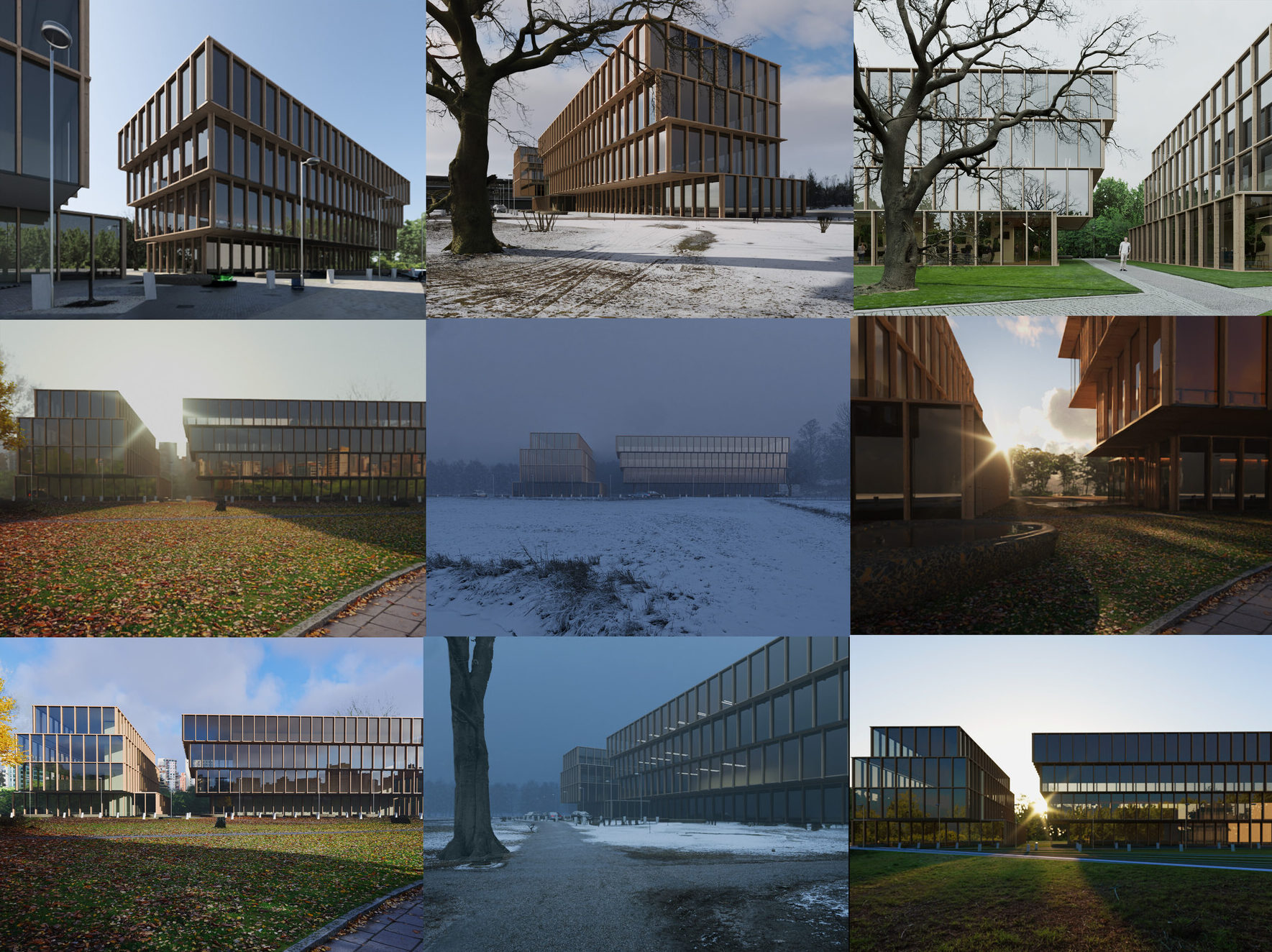
Internally we generate far more than we present: mood studies, light recipes, camera scouts, rough block-outs, color scripts, material tests, reference boards, narrative beats — and a few wild ideas to pressure‑test the obvious ones.
We critique, prune, recombine and iterate until a direction sings. What you see is a curated tip of a large exploratory iceberg.
First Share = Selected Frames Only
Your first look is a curated set of frames that already carry the story. Fewer, stronger images — each intentional — keep feedback focused on the idea, not noise. We refine composition, light and tone at this stage to validate direction.
Then We Tighten
With alignment on tone and composition, we move into precision: materials, atmosphere, people‑flow, planting, signage and micro‑detail. The set is refined as a whole so every image supports the same narrative.
Flexible Depending on Project Stage
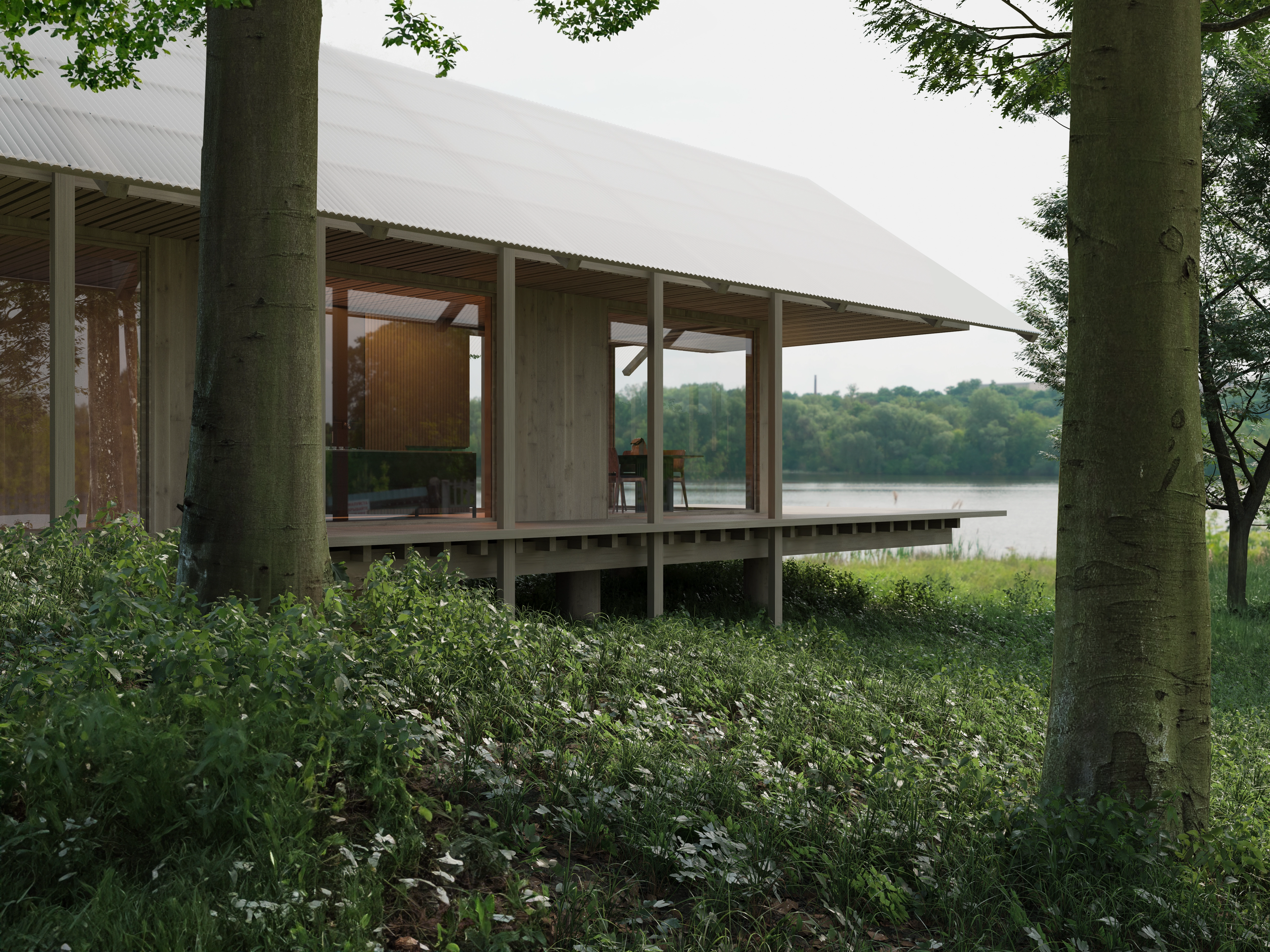
Our process adapts to where you are. Early schematics: faster, atmospheric imagery that explores options and feeling. Final design checks: high‑fidelity realism for confident decisions and communication. We calibrate fidelity, pace and deliverables to match the moment — from first questions to final confirmations.